

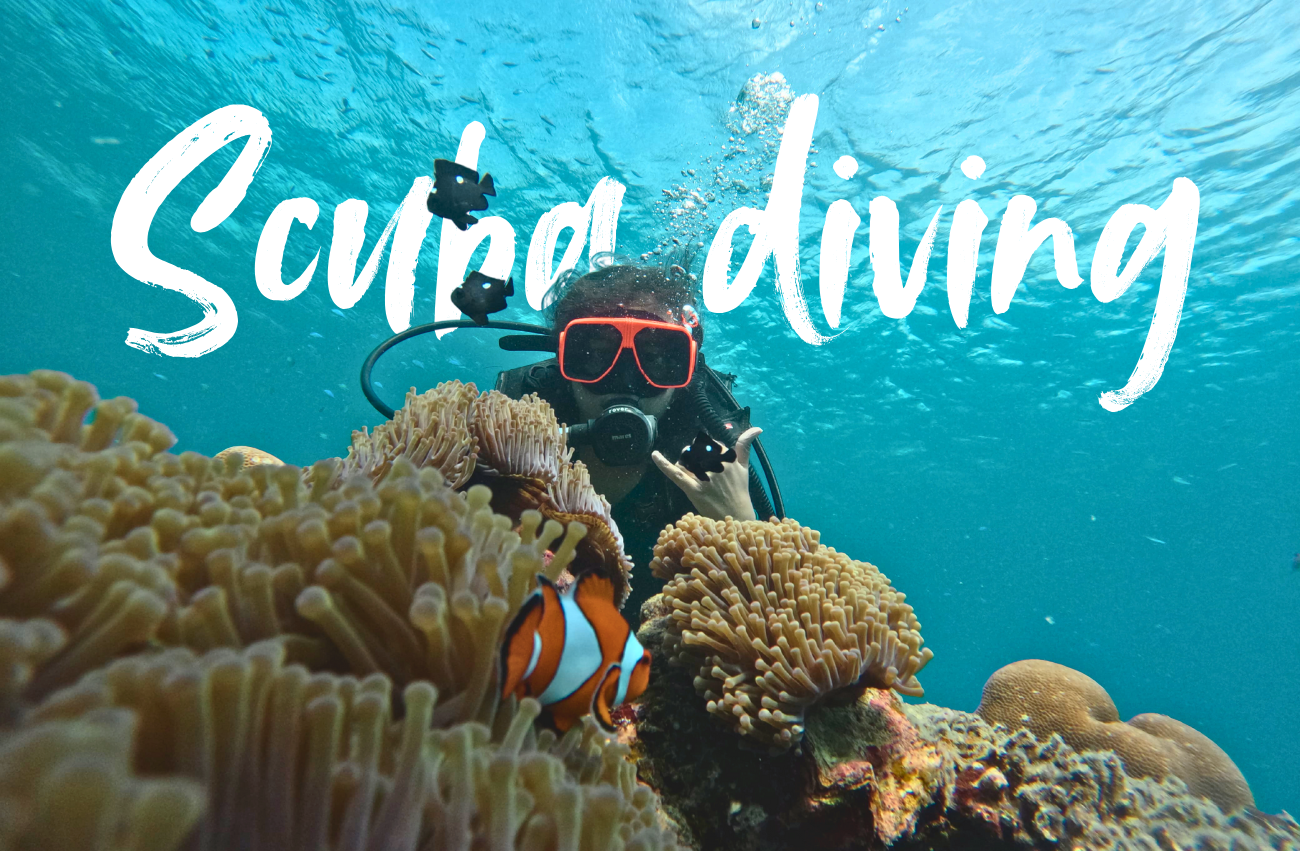
Learn Scuba Diving in India
Welcome to the underwater world – Whether you want to try scuba diving for the first time through a short PADI Discover Scuba Diving (DSD) experience or go all in with a PADI Open Water Diver or Advanced Open Water Diver certification, we’ve designed programs that combine learning with exploration.
Guided by certified PADI instructors, you’ll train in safe, calm waters before venturing out into vibrant reef systems – meeting clownfish, angelfish, and maybe even a sea turtle or two.
GoCareless is India’s leading adventure sports courses platform, connecting you directly with certified instructors and top-rated schools across the country. Ensuring quality, safety, and fair pricing at every step.
Our Courses
PADI DSD - 1 Certification Dive (45Min)
If you’ve ever wanted to experience scuba diving but aren’t ready for a full course yet, the PADI Discover Scuba Diving (DSD) program is perfect for you. It’s a quick, safe, and thrilling way to explore the underwater world – no prior experience or certification required!
In just 45 minutes, you’ll learn the basics, practice in shallow water, and go for your first real dive in the crystal-clear waters of Havelock Island.
Duration: 45 Minutes
Shore DSD Depth: Up to 6–8 meters
Boat DSD Depth: Up to 10–12 meters
Curriculum Overview
Step 1 – Briefing & Gear Familiarization
- Learn the basics of scuba diving from a certified PADI instructor.
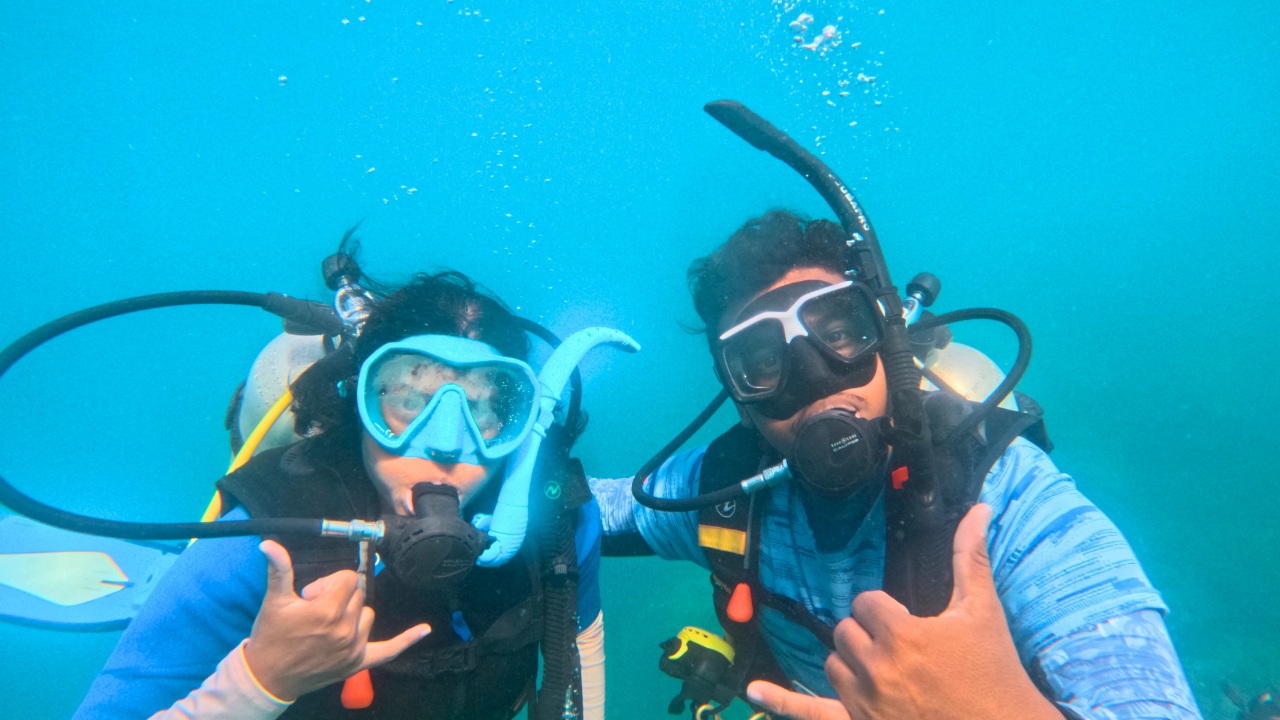
- Get familiar with your equipment – mask, regulator, and BCD (buoyancy control device).
- Understand key underwater hand signals and safety tips.
Step 2 – Shallow Water Practice
- Practice breathing underwater and equalizing pressure.
- Learn how to clear your mask and maintain buoyancy.
- Confidence-building session right off the beach in calm, shallow waters.
Step 3 – Shore Dive Experience
- Guided Shore/ boat dive to a maximum depth of 12 meters.
- Experience Havelock’s vibrant coral gardens, schools of fish, and maybe even a turtle if you’re lucky!
What’s Included
- PADI-certified instructor
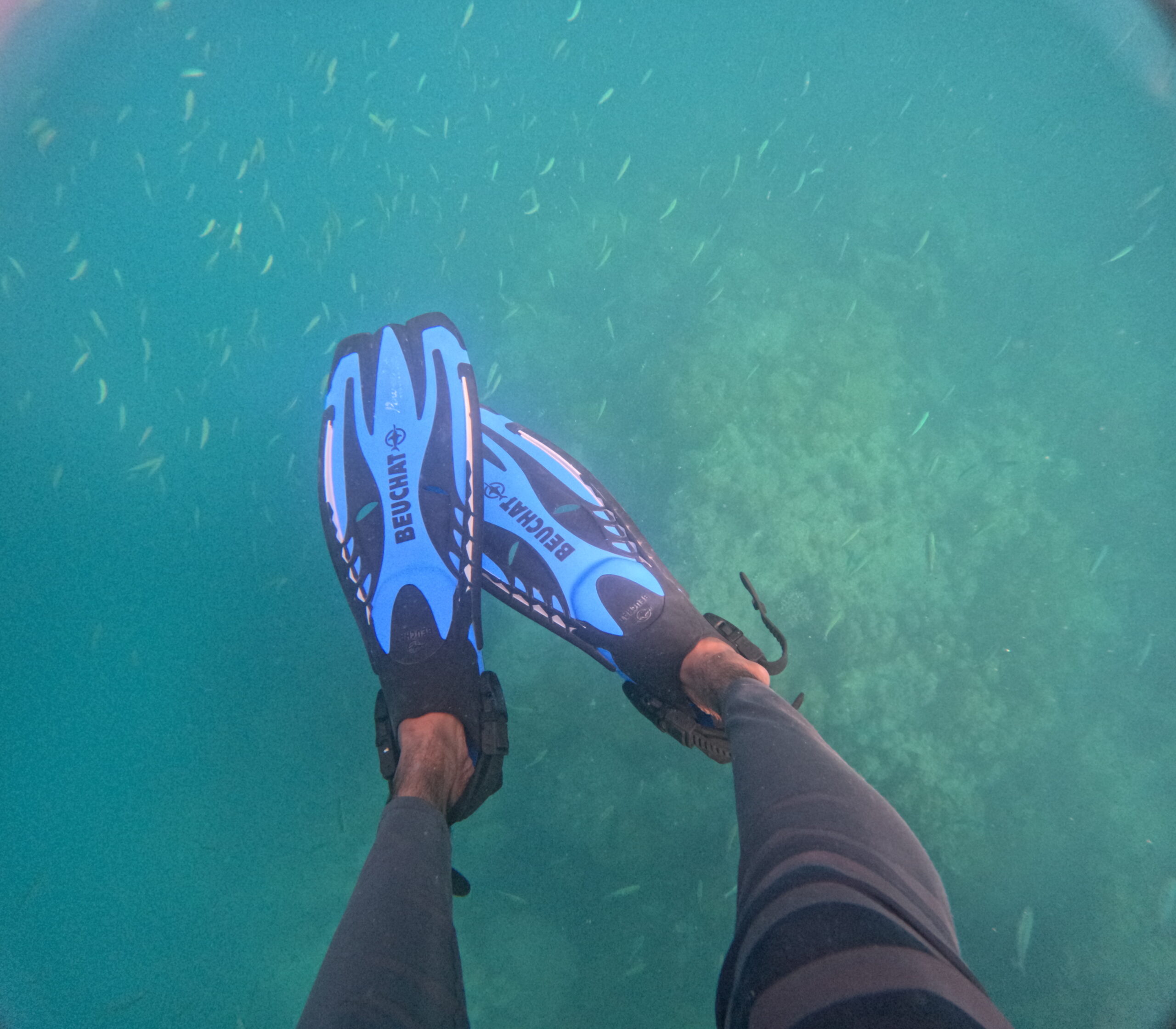
- Full scuba gear (BCD, regulator, fins, wetsuit, tank, mask)
- Boat transfer (for Boat DSD)
PADI Open Water diver course
Location: Havelock Island, Andaman
Duration: 4 Days
Certification: PADI Open Water Diver
The PADI Open Water Diver course is your first step into the underwater world – designed for beginners who want to earn their diving certification and explore the ocean with confidence.
Course Curriculum
Day 1 – Confined Water Training I
- Introduction to scuba diving, equipment setup, and underwater communication.
- Basic underwater breathing techniques and safety procedures.
- First confined water session: mask clearing, regulator recovery, buoyancy drills.
Day 2 – Confined Water Training II
- Advanced confined water skills: hovering, controlled ascents, and alternate air source use.
- Equipment assembly and buddy checks.
- Review of diving theory and safety concepts.
Day 3 – Open Water Dives I & II
- First two open-water dives (max depth: 12 meters).
- Underwater navigation and buoyancy control practice.
- Exploring Havelock’s shallow reefs and marine life.
Day 4 – Open Water Dives III & IV
- Two final dives (max depth: 18 meters).
- Practical skill assessment under instructor supervision.
- Certification dive and underwater photo session!
What’s Included
- Certified PADI instructor
- Diving gear (BCD, regulator, wetsuit, fins, mask, tank, weights)
- PADI course material
- Boat transfers for open-water dives
- Certification & logbook
PADI Advance Open Water diver course
Location: Havelock Island, Andaman
Duration: 3 Days
Certification: PADI Advanced Open Water Diver
Take your diving skills to the next level. This course helps you dive deeper, navigate better, and handle different underwater environments with confidence.
Course Curriculum
Day 1 – Knowledge Review & Adventure Dive 1 (Navigation)
- Dive planning and navigation theory.
- Compass navigation underwater and natural navigation techniques.
- Adventure Dive 1: Underwater Navigation.
Day 2 – Deep Dive & Peak Performance Buoyancy
- Understanding pressure, air consumption, and dive planning for deep dives.
- Adventure Dive 2: Peak performance buoyancy dive – hover perfectly, conserve air, and improve control.
- Adventure Dive 3: Night dive
Day 3 – Specialty Dives & Certification
- Adventure Dive 4: Drift Diving (based on location conditions).
- Adventure Dive 5: Deep Dive (up to 30 meters).
- Skill evaluation and certification ceremony.
What’s Included
- Certified PADI instructor
- Diving gear (BCD, regulator, wetsuit, fins, mask, tank, weights)
- PADI Advanced course manual
- Boat transfers for all dives
- Certification upon completion
Scuba Diving Info Video
Course Pricing
Our course pricing covers all gears, certified instructors, Insurance, dives & PADI Certification. (exclusive of 18% GST)
Offers & Discounts
We love making adventure more accessible — and more fun when shared! Take advantage of our limited-time offers:
End of year offers
- Book 2 or more participants together and get a flat ₹1,000 discount on the booking amount.
- Already completed one course with us?
Get a flat ₹1,000 discount per person on your next scuba diving, skiing, or snowboarding course (valid within 12 months).
What to Carry
• Swimwear, Rash guard or light wetsuit
• Towel
• Waterproof sunscreen & lip balm
• Sunglasses & hat for surface breaks
• Reusable water bottle
• Flip-flops/beach sandals
• Personal toiletries & medications
Frequently Asked Questions about Scuba Diving
1. Do I need to know swimming to learn scuba diving?
Yes, basic swimming skills are required (you should be able to float/tread water for 10 minutes and swim 200 meters without stopping). You don’t need to be a professional swimmer.
2. How safe is scuba diving for beginners?
Scuba diving is very safe if you learn from certified instructors (PADI/SSI). You’ll be trained in safety skills before going underwater.
3. What’s the best season for scuba diving in India?
The ideal season is October to May, when the seas are calmer and visibility is much better. Monsoon months are usually avoided.
4. What’s the minimum age to learn scuba diving?
You can start at 10 years old with a Junior Open Water course. Adults can begin at any age as long as they are medically fit.
5. Do I need a medical checkup before diving?
Not always, but if you have medical conditions like asthma, heart issues, or recent surgeries, you’ll need clearance from a doctor.
6. Can I take a flight right after scuba diving?
No. After diving, you should wait at least 18–24 hours before taking a flight. This is because your body needs time to safely release the extra nitrogen absorbed underwater. If you fly too soon, it can cause serious health issues (decompression sickness).
7. Do I need to buy my own scuba gear?
No, the dive school provides everything during training. If you get into diving long-term, you can invest in personal gear later.
8. Can I dive anywhere in the world after getting certified in India?
Yes! Certifications like PADI or SSI are recognized globally.
9. Which place is best for beginners in India?
The Andamans and Lakshadweep are considered the best because of clear waters and healthy reefs. Netrani is a good mainland option but visibility can be hit or miss.
10. Can I dive if I wear glasses?
Yes. You can use contact lenses or rent a prescription mask from most dive shops.
11. What if I feel scared underwater?
It’s normal! Instructors go slowly, and you’ll practice in shallow water until you feel comfortable. Most people gain confidence after the first dive.
12. What should I carry for my lessons?
Bring sunscreen, a towel, extra clothes, and lots of enthusiasm! Schools usually provide Red suit and all the other scuba gear.
13. Can I do work from home while learning scuba diving?
Not really. Scuba diving courses are quite intensive—you’ll spend most of your day either in the classroom for theory or in the water for training dives. Some schools do let you complete the theory part online before you arrive, but once the course starts, it’s a full-time experience. It’s better to treat it as a short break from work rather than trying to combine both.
14. Should I do Open Water and Advanced together?
If you plan to dive often or travel internationally, yes—both together give you more practice and deeper access. But if you dive occasionally, start with Open Water, dive in different places, and return for Advanced once you’re comfortable.
Cancellation Policy
At GoCareless, we value your commitment to adventure and aim to provide fair and transparent policies. If your plans change, the following cancellation terms will apply: Refunds will be processed within 5–7 business days of cancellation.
- 15 days or more before the course start date: 90% of the booking amount will be refunded.
- 7–14 days before the course start date: 50% of the booking amount will be refunded.
- Less than 7 days before the course start date: 10% of the booking amount will be refunded.
Reschedule Policy
We understand that plans can change. To support you, we offer a flexible reschedule option under the following conditions:
- Rescheduling must be requested at least 15 days before the course start date.
- Rescheduling is subject to availability in upcoming batches.
- Each booking may be rescheduled only once, free of charge, within 6 months of the original course date.
Indemnity & Risk Policy
Adventure sports are exciting and transformative, but they also involve inherent risks. At GoCareless, we work only with certified instructors and partners, follow international safety procedures, and provide all necessary equipment to ensure your experience is as safe as possible.
However, by enrolling in any of our programs, you acknowledge and accept that adventure sports carry unavoidable risks. Prior to the start of your course, you will be required to sign an Indemnity Form with our partners, confirming that you understand these risks and agree that GoCareless and its partners shall not be held liable for any injuries, accidents, or unforeseen incidents that may occur.
Your safety is our highest priority, but your participation is also your personal responsibility.
From our gallery
best surfing locations