Back To Top

Blog

Can Non-Swimmers Do a Scuba Diving Course in India?

Safety, Myths & What Actually Happens

This is one of the most asked questions in Indian diving:


“Can I do a scuba diving course if I don’t know how to swim?”


The short answer?


You don’t need to be an athlete — but yes, basic swimming ability is required for certification courses.


Let’s break this down honestly.

Do You Need Swimming Skills to Scuba Dive?

When you’re underwater, scuba diving does not feel like traditional swimming.

You’re wearing:

  • A BCD (Buoyancy Control Device) that helps you control ascent and descent
  • Weights that help you descend
  • Fins that make movement effortless
  • A tank and regulator for breathing

To descend, your weights and controlled breathing help you go down.

To ascend, you look upward slightly, release air from your BCD, and use gentle fin movement.


You’re not “swimming laps” underwater. Movement is slow, controlled, and energy-efficient.


So technically, strong swimming skills aren’t needed to move underwater.


But — and this is important — basic swimming ability is required for safety.

Why Swimming Is Required for Scuba Certification

For any proper scuba certification course in India (like Open Water), you will be required to:

  • Swim 200 meters continuously (any stroke, no time limit)
  • Float or tread water for 10 minutes

This is mandatory.


Why?


Because scuba diving is safe — until panic sets in.


In an emergency scenario (rare, but possible), you should be able to:

  • Remove your gear if instructed
  • Stay afloat calmly
  • Swim short distances at the surface
  • Avoid panic

The purpose of the swim test is not to test athletic ability. It is to confirm water comfort.


Water comfort prevents panic.


And panic is the real risk in scuba diving — not the ocean.

What Actually Happens During Training in India?

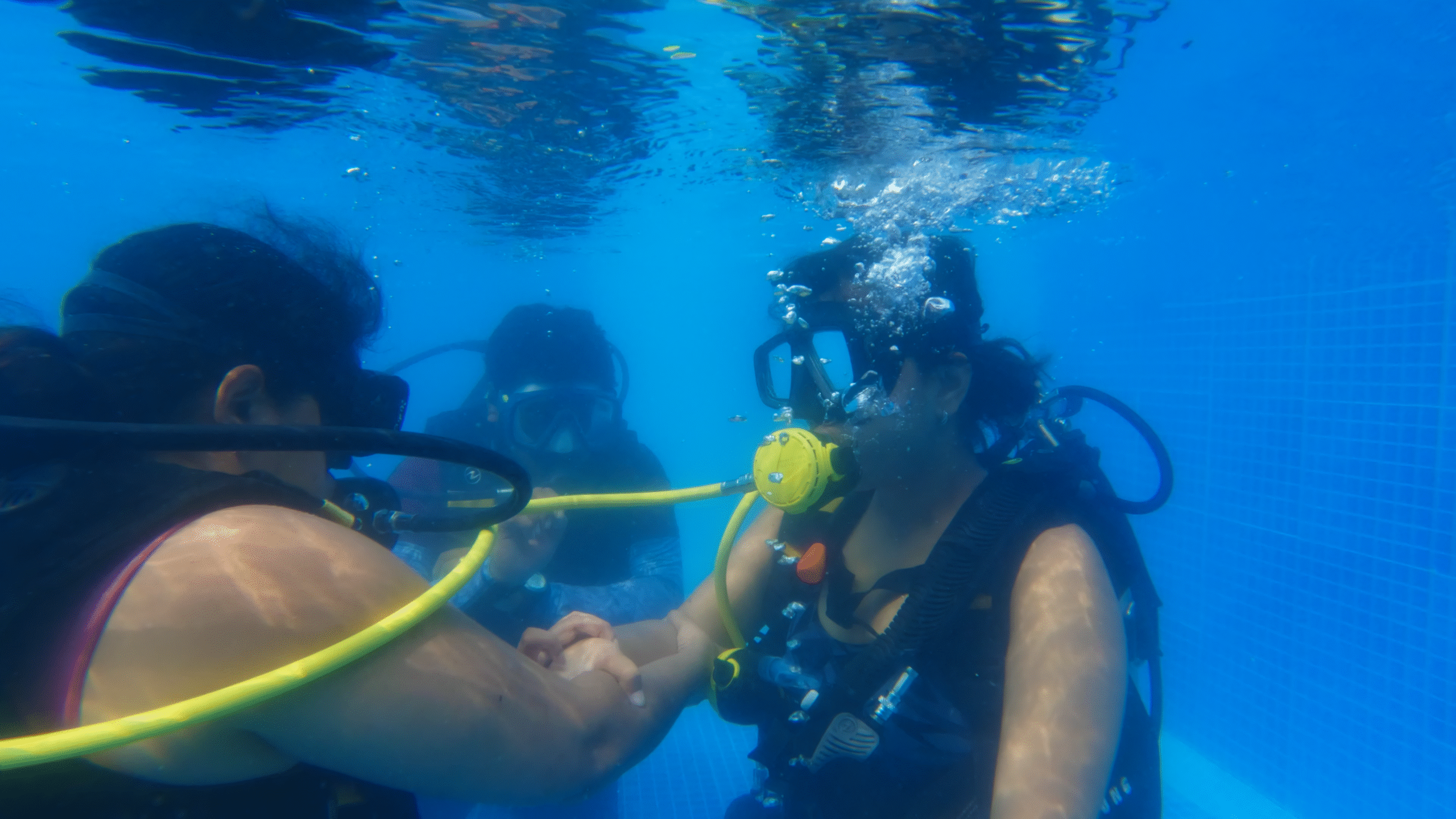
India follows very strict instructor-to-student ratios.


Most scuba programs maintain 1:1 supervision for beginners. If more students are present, additional dive masters or rescue divers are assigned to maintain near 1:1 oversight.


This happens for a reason.


Many Indians grow up without strong swimming backgrounds. Comfort in open water isn’t universal here. Because of that:

  • Groups are smaller
  • Supervision is tighter
  • Rescue protocols are strictly followed

In contrast, in some countries where students are highly water-comfortable, one instructor may supervise 3–5 students at once. That reduces cost — but only works when students are already confident in water.


In India, the approach is more cautious — and honestly, that’s a good thing.

Why Panic Is the Real Danger (Not Non-Swimming)

A calm diver is safe.


A panicked diver becomes difficult to assist.


There are very specific rescue techniques that certified instructors follow:

  • Approaching from the front so the diver can see them
  • Avoiding grabbing from behind
  • Maintaining controlled buoyancy
  • Securing the regulator
  • Managing ascent properly

Only certified instructors are trained in these Standard Operating Procedures (SOPs).


That’s why professional dive centers maintain tight control over group sizes and supervision.


When you book through verified operators — including structured programs facilitated by GoCareless — safety standards like these are non-negotiable.

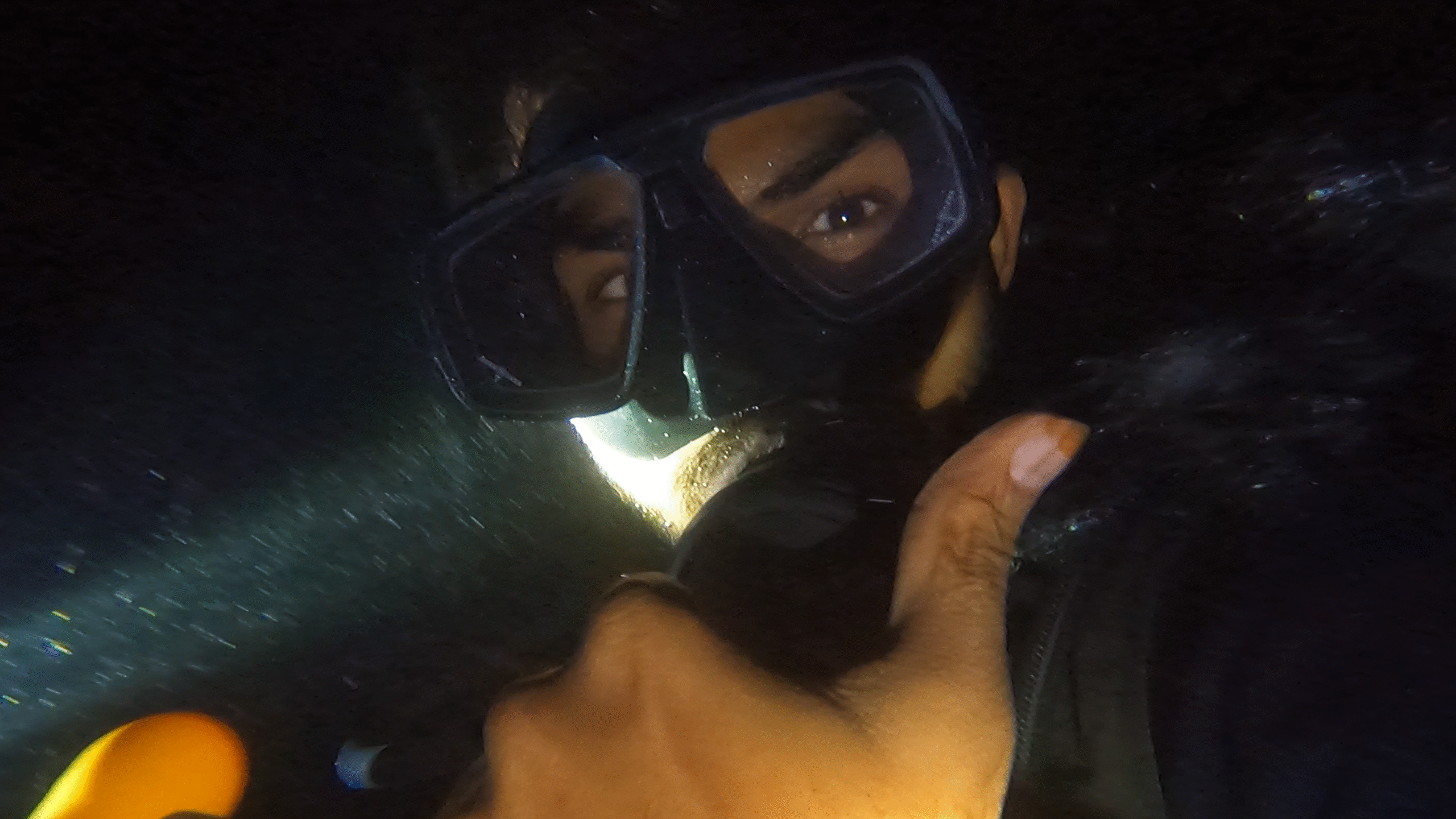
A Scuba diver, diving in the night

So… Can a Non-Swimmer Do a Scuba Course?

Let’s separate experience dives from certification courses.

✅ Discover Scuba / Intro Dives

Some centers allow non-swimmers to try shallow introductory dives under direct 1:1 supervision.

These happen:

  • In shallow water
  • With an instructor physically close
  • In controlled environments

❌ Full Certification Courses (Open Water & above)

You must pass the swim and float test.

If you cannot swim 200 meters or float for 10 minutes, you cannot enroll in a certification course.

Final Verdict

You don’t need to be a professional swimmer.


You don’t need speed or stamina.


But you do need:

  • Basic swimming ability
  • Water confidence
  • Calm breathing control

Scuba diving in India is structured carefully, especially for beginners. Small groups, certified instructors, and rescue-trained teams make it one of the safest adventure sports when done properly.


If you’re unsure about your comfort level, you can always speak to a certified instructor before enrolling in a course.


👉 Explore Beginner Scuba Courses

Founder of Go Careless and your next door adventure guy

Leave a Comment