Back To Top

Blog

How to become a certified scuba diver in India

What Does “Certified Scuba Diver” Mean?

If you’ve ever gone scuba diving as a tourist, you’ve probably noticed something.


A divemaster holds you the entire time.
You’re not allowed to swim freely.
You don’t control your equipment.
You simply follow instructions.


That’s called a discovery dive.


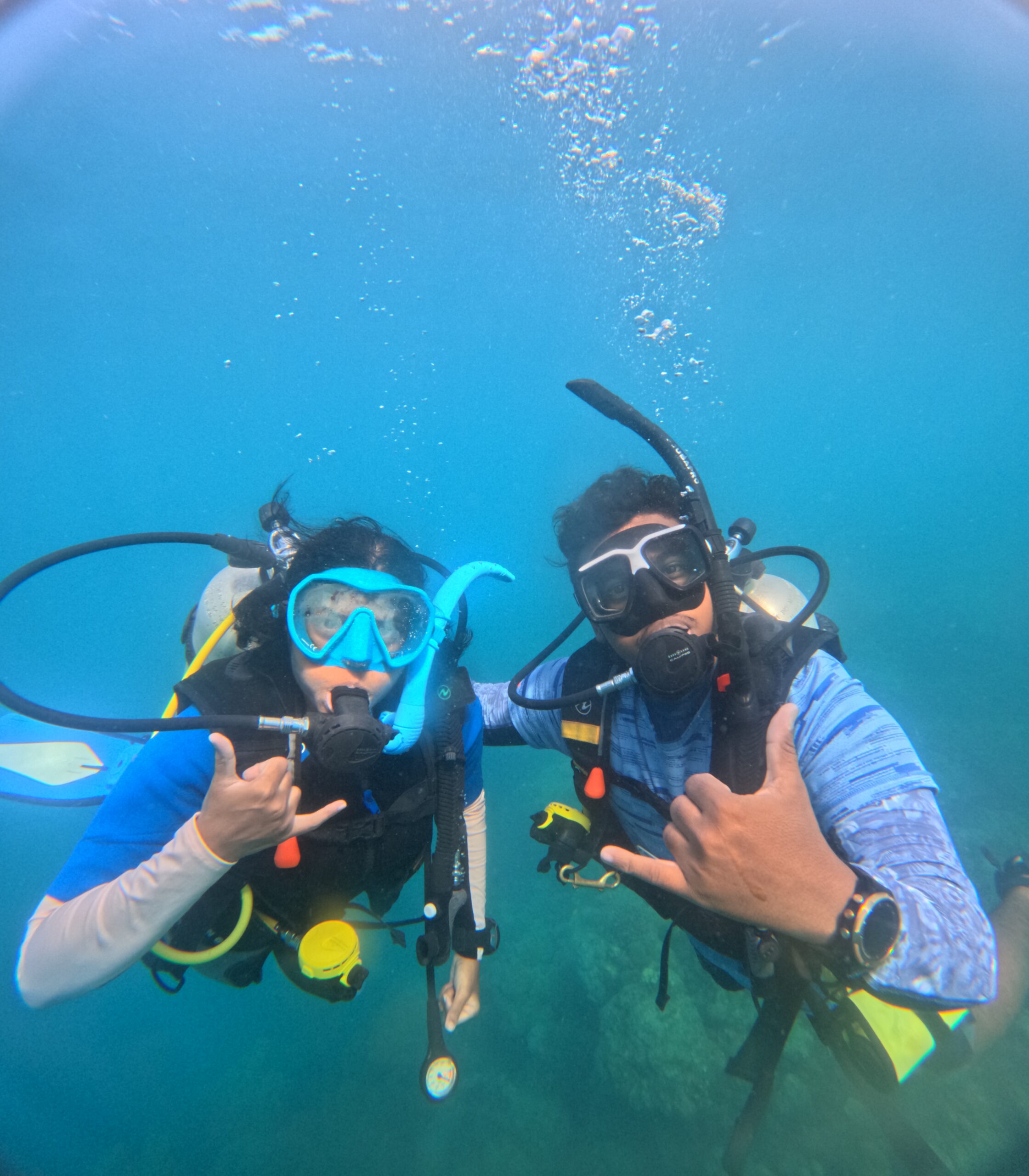
However, once you become a certified scuba diver, everything changes.

You can:

  • Dive independently with a buddy
  • Control your own equipment
  • Manage buoyancy
  • Swim freely underwater
  • Explore marine life confidently

It’s still a buddy sport — you never dive truly alone — but you no longer need someone holding your hand.


And that’s when diving becomes truly fun.

Step-by-Step: How to Get Scuba Certified in India

Step 1: Choose a Certification Agency (PADI vs SSI)

There are two major globally recognized agencies:

1. PADI (Professional Association of Diving Instructors)

  • World’s largest diving organization
  • Most globally recognized
  • Slightly more expensive
  • Extremely standardized training

2. SSI (Scuba Schools International)

  • Also globally recognized
  • Slightly more affordable
  • Similar curriculum and standards

Is There a Big Difference?

Not really.

Around 90% of training content is similar. Both are internationally accepted.

However:

  • PADI has slightly broader global brand recognition.
  • SSI is budget-friendly and equally professional.

If budget isn’t a constraint, many divers prefer PADI.
If cost matters, SSI is a solid option.

Both licenses allow you to dive worldwide.

Step 2: Choose the Right Location in India

Visibility plays a huge role in learning comfort.

For a detailed breakdown, you can read our visibility guide.

Best Locations for Certification:

  • Andaman & Nicobar Islands
  • Lakshadweep
  • Netrani Island (Karnataka)
  • Goa

If budget allows, island locations offer:

  • Better visibility
  • Calmer reefs
  • More consistent conditions

Mainland options are more affordable but less predictable in visibility.

Step 3: Complete Theory (Online Learning)

Before entering the water, you complete:

  • E-learning modules
  • Dive physics basics
  • Equipment knowledge
  • Safety procedures
  • Pressure and depth theory

This ensures you understand what happens to your body underwater.

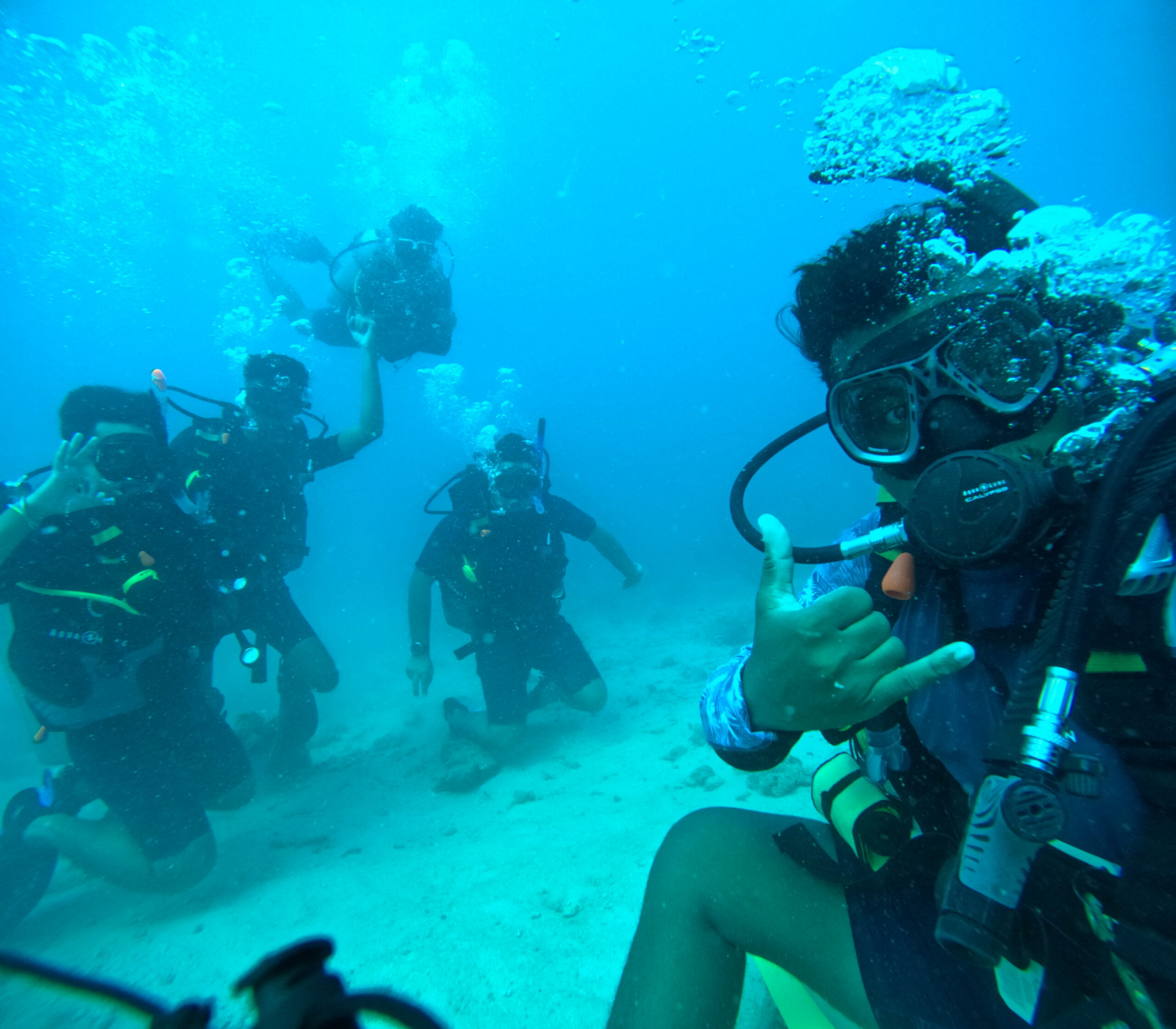
Step 4: Confined Water Training (Pool or Shallow Sea)

Here’s where real learning begins.

You practice:

  • Regulator recovery
  • Mask clearing (removing water from mask)
  • Buoyancy control
  • Emergency ascents
  • Tank pressure monitoring
  • Underwater hand signals
  • Equipment assembly
  • Controlled descents & ascents

You also learn what to do if:

  • Regulator falls out
  • Air supply runs low
  • Mask floods
  • You need assistance underwater

This stage builds confidence and muscle memory.

Step 5: Open Water Dives

To complete your Open Water Certification, you perform:

  • 4 open water dives
  • Usually spread across 2 days
  • Often 2 shore dives + 2 boat dives (varies by location)

During these dives, you demonstrate all skills learned in confined water.

Once completed successfully—you are certified.

Certification Levels & Depth Limits

Open Water Diver

  • Depth limit: 18 meters
  • Entry-level certification
  • Globally valid

Advanced Open Water Diver

  • Depth limit: 30 meters
  • Includes adventure dives (deep, navigation, etc.)

Deep Diver Specialty

  • Depth limit: 40 meters
  • Requires additional training

Each course unlocks deeper exploration.

How Long Does It Take?

Open Water Diver:

3–4 days

Advanced Open Water:

2–3 additional days

Weather conditions can slightly extend timelines.

How Much Does Scuba Certification Cost in India?

Open Water Diver certification typically costs:


₹30,000 – ₹35,000
(depending on location and agency)


Island destinations may cost slightly more due to logistics.


Avoid choosing solely based on price. Quality and safety matter more.

Do You Need to Know Swimming?

Yes.


You must:

  • Swim 200 meters without stopping
  • Float or tread water for 10 minutes

Dive centers conduct a swim assessment before certification training.

Comfort in water is essential.

Is Scuba Certification Safe in India?

Yes—when done with:

  • Certified instructors
  • Proper student-to-instructor ratio
  • Well-maintained equipment
  • Approved dive sites

Scuba diving has been conducted safely in India for decades.

The key is choosing the right dive center.

Common Mistakes When Choosing a Dive Center

1. Choosing the Cheapest Option

Low price may mean:

  • Poor equipment
  • Large group sizes
  • Minimal attention

2. Ignoring Reviews

Always check verified reviews first.

3. Large Group Sizes

Ideal ratio:
1 instructor : 1–2 students (maximum)

Large groups reduce safety and learning quality.

4. Choosing Low-Visibility Locations

If budget allows, prefer island destinations for better experience.

What Happens After You’re Certified?

Once certified:

  • You receive a digital license
  • You can dive anywhere in the world
  • Your dives become cheaper
  • You don’t need a divemaster guiding you
  • You can upgrade to:
    • Night diving
    • Deep diving
    • Wreck diving
    • Specialty certifications

Certification opens a lifetime door to underwater exploration.

Why Get Certified Through GoCareless?

If you’re planning to get scuba certified in India, you can book your course with GoCareless.

We help you:

  • Choose the best location
  • Select trusted dive centers
  • Avoid low-visibility disappointment
  • Ensure small group sizes
  • Plan based on season

Scuba certification is not just a course. It’s a long-term skill.
Choose wisely.

Advanced Open Water Diver badge for the Drift Dive.

FAQs

Is scuba certification valid worldwide?

Yes. Both PADI and SSI certifications are internationally recognized.

Can non-swimmers get scuba certified?

No. Basic swimming ability is mandatory.

Is Andaman better than Goa for certification?

Yes, primarily due to better visibility and reef quality.

How deep can a beginner dive?

18 meters after Open Water certification.

Can I dive alone after certification?

You can dive independently with a certified buddy. Diving alone is not recommended.

Founder of Go Careless and your next door adventure guy

Leave a Comment